



Kitesurfing in Icaraizinho — The Destination Chose by the Wind
Located on the Windy Coast, it offers a variety of conditions for the sport.

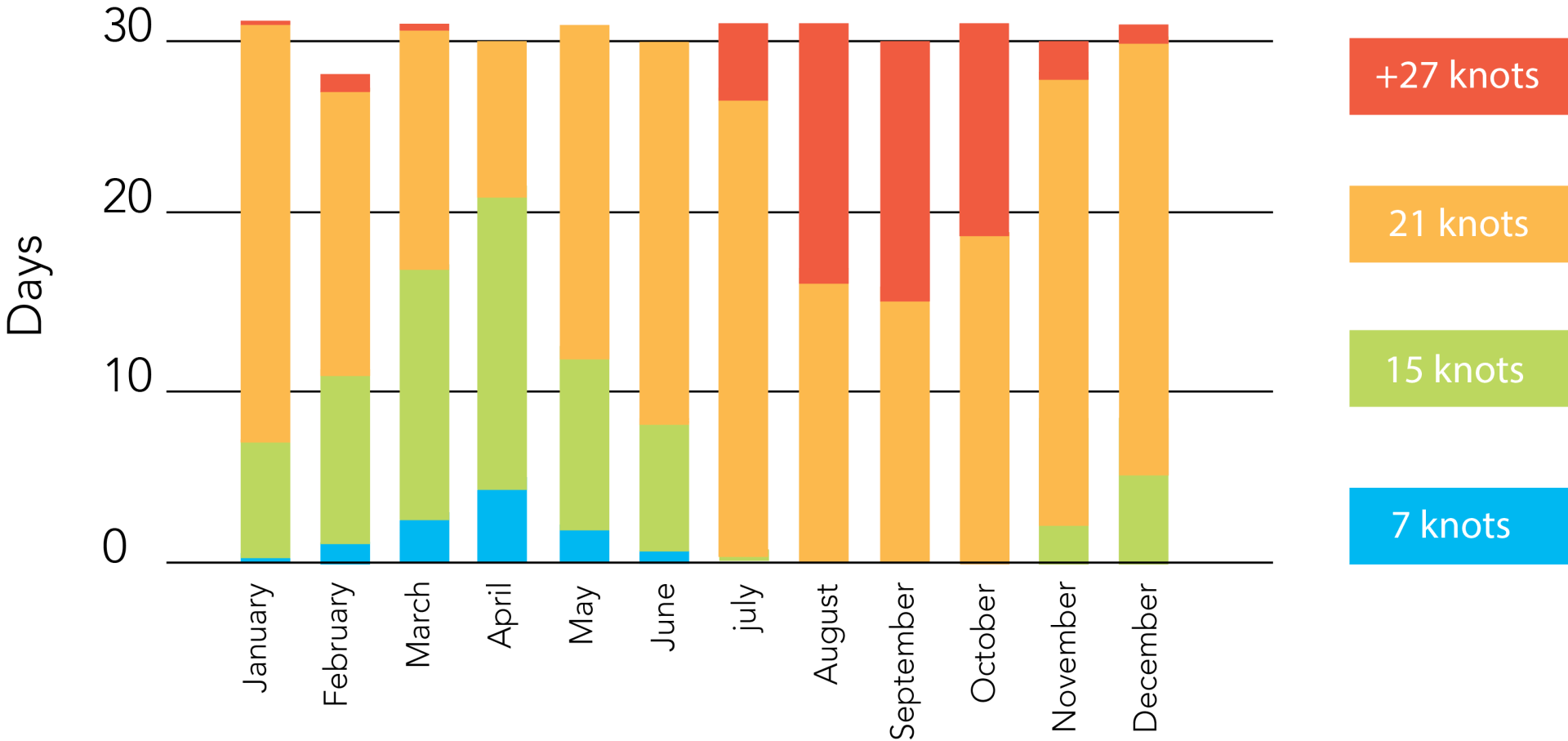
Icaraizinho de Amontada, Moitas and Caetanos are located in Ceará, a region blessed with trade winds that blow for about 300 days a year, with the period from July to December being the time of strongest winds, when it is almost certain that you can sail daily, for almost the entire day.
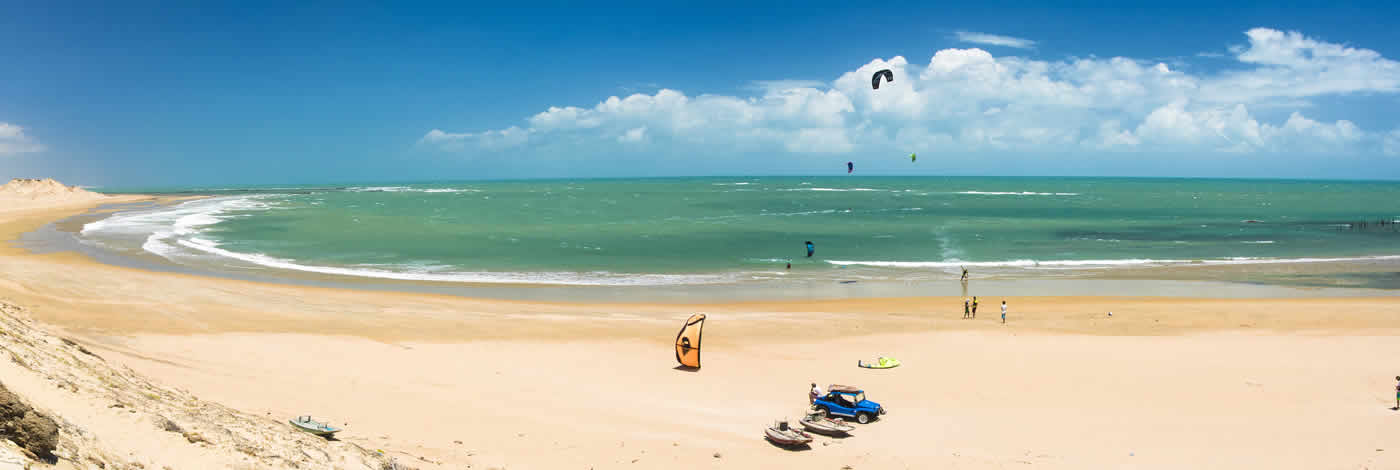
Within a 20 km radius you can find a wide variety of sailing spots, suitable for all levels of sailing. Beaches with different conditions at various tides, lagoons with completely flat water, waves and river mouths, and many places may be practically empty for you to sail with your friends. Icaraizinho de Amontada is a stopping point for almost all downwind/kitesafari trips organized between Cumbuco and Jericoacoara, which guarantees the opportunity to do downwinds as well.
There's something special about Icaraizinho de Amontada that goes beyond the beaches. The wind arrived here before the tourists — and it was the wind that transformed a small fishing village on the west coast of Ceará into one of the most sought-after kitesurfing destinations in Brazil.
Those who come to kitesurf in Icaraizinho rarely come just once. The combination of constant winds, warm water, deserted beaches, flat lagoons, and a pace of life that respects the rhythm of the sea creates an experience that is hard to find elsewhere.
Here, kitesurfing isn't just an isolated attraction. It's the soul of the place.
The Wind that Transformed Icaraizinho
Before kite schools, hotels catering to athletes, and restaurants with menus in three languages existed, Icaraizinho was a simple village. Fishermen, dunes, coconut trees, and a wind that no one had yet discovered for the sport.
The first sailors, at the time windsurfers, arrived attracted by reports of consistent winds, calm beaches, and still untouched logistics. They were the ones who organically began to build what Icaraizinho is today: a kitesurfing destination in Brazil with an international reputation, frequented by practitioners from dozens of countries, but which still preserves the character of a village.
The transformation was gradual and respectful. Fish stalls coexist with beach clubs. Canoes set sail in the morning at the same time as the first kites take to the sky. Fishermen and kiteboarders shared the beach and together built an identity that no other destination could replicate.
It is this balance that makes kitesurfing in Icaraizinho de Amontada such a complete experience.
The Coast of the Winds Route
Icaraizinho is not an isolated point on the kitesurfing map. It is part of one of the most impressive wind routes on the planet: the Coast of Winds Route, which runs along the west coast of Ceará for dozens of kilometers of practically deserted beaches.
Along this route, villages like Baleal, Moitas, Caetanos, Icaraizinho, Ponta do Guajirú, and Lagoa dos Patos are connected by the same wind that blows from the sea to the land, always strong, always in the same direction — creating ideal conditions for long downwinds, without obstacles and with wild views.
Kitesurfing in Ceará along the Costa dos Ventos Route is to understand why the Ceará coastline has become a world reference. It's not just the wind. It's the sum of everything: the water temperature, the extent of the beaches, the absence of obstacles, and a support infrastructure that grows every year.
Constant winds for months.
The coastline of Icaraizinho receives almost uninterrupted northeasterly winds from July to January, with increasing intensity throughout the season. In August, September, and October, days with winds above 20 knots are more the rule than the exception.
The sea water remains warm throughout the season — around 27°C to 29°C — eliminating the need for wetsuits and allowing for extended sessions in complete comfort.
For those looking for the best time for kitesurfing in Ceará, the answer is simple: the season starts to gain momentum in July, peaks in September and October, and remains consistent until December and January.
One of the best downwind spots in Brazil.
The combination of constant wind, a series of beaches, and very little human activity makes the Icaraizinho coastline one of the best settings in Brazil for long downwinds.
Starting from one beach and arriving at another two to three hours later, having crossed dunes, river mouths, lagoons and stretches of open sea, is an experience that defines what downwind sailing in Ceará is all about in its purest form.
The main kitesurfing spots in Icaraizinho.
The region offers a variety of spots that cater to everyone from beginners to experienced riders seeking technical and visual diversity. Getting to know each one makes all the difference when planning your season.
Caetanos de Cima
A few kilometers north of Icaraizinho, Caetanos de Cima is a spot of preserved nature, with less traffic and a sense of isolation that attracts riders seeking authenticity.
The open sea provides ample space for maneuvers and line flying without interference, and the wind comes from the side and is clean, making the spot ideal for both freeriding and as a starting point for downwinds towards Icaraizinho.
For those who want to escape the hustle and bustle and sail with more freedom, Caetanos is the right choice.
Icaraizinho — Left side of the beach
The left side of Icaraizinho beach is the heart of local kitesurfing. Here you'll find the schools, technical support, and the meeting point for riders in the region.
It's a classic freeride sailing spot, with easy access to the water, firm sand for setting up equipment, and support facilities just a few meters away. The wind is consistent and the sea conditions are calm, making this spot ideal for regular sessions and for riders who are in their first months of independent practice.
The movement also brings a social aspect that is part of the experience: it is here that stories intersect, downwind trips are organized, and groups that set out together to explore the route are formed.
Icaraizinho — Right side of the beach
Less frequented than the left side, the right side of Icaraizinho beach offers cleaner waters, crosswinds without interference from other kites, and ample space for riders who prefer more tranquility.
It's an excellent choice for those who want a more focused technical session, or for those who simply prefer sailing without crowds.
Moitas Beach
Kitesurfing in Moitas is a photographic experience. The spot is located at the meeting point of the river and the sea — an estuary that creates a cinematic view of dunes, dark water, and an open horizon.
The waters are calmer than the open sea, which makes Moitas especially interesting for riders who want to explore different conditions or who arrive downwind from Caetanos.
The beach is sparsely populated and well-preserved, with an atmosphere of discovery that few spots in Brazil can still offer.
Mouth of the Aracatiaçu River and Lagoa dos Patos (Duck Lagoon)
Lagoa dos Patos is one of the most special spots on the entire Costa dos Ventos Route. Located just after the mouth of the Aracatiaçu River, it offers calm water in a setting that seems straight out of an adventure movie: a freshwater lagoon surrounded by white dunes, blue skies, and a constant breeze.
For riders who are in the technical progression phase — learning to do their first jumps, freeride maneuvers, or starting out in freestyle — Lagoa dos Patos is a perfect environment: no waves, no currents, with progressive depth and space to make mistakes and improve.
It is also one of the most sought-after destinations for riders arriving downwind from Icaraizinho.
The Most Incredible Downwinds in the Region
Downwind is one of the most exciting forms of kitesurfing: you start from one point, use the wind to your advantage, and arrive at another location, traversing beaches, river mouths, lagoons, and stretches of open sea while literally flying over the water.
In Ceará, downwind sailing is much more than a sport. It's a way to explore the coastline, to experience the scale of the beaches, and to understand why this stretch of coast has become a world reference.
In Icaraizinho, three downwinds stand out as the most sought-after in the region.
Downwind Caetanos → Icaraizinho
For intermediate riders who want a first experience with the format, the downwind route from Caetanos to Icaraizinho is ideal. Deserted beaches, untouched nature, and an average duration that won't compromise your energy reserves.
The route connects two of the region's main spots and offers passages through wild stretches that surprise even those already familiar with the area. A sense of adventure is guaranteed, and arriving in Icaraizinho with the wind still blowing is one of the best sunset experiences on the route.
Downwind Icaraizinho → Ponta do Guajirú
One of the classics of the Costa dos Ventos Route. The downwind from Icaraizinho to Ponta do Guajirú combines stretches of open sea with passages through calm and flat waters, creating a technical alternation that pleases both more experienced riders and well-prepared intermediates.
The coastal scenery along the route is exceptionally beautiful — dunes, coconut groves, beaches devoid of any human presence, and the constant feeling of discovering something new.
Downwind Icaraizinho → Lagoa dos Patos
For those seeking a more progressive experience, the downwind run from Icaraizinho to Lagoa dos Patos is the perfect route. The course features stretches of sea with consistent wind and finishes in flat water — creating a celebrated finish for riders of all levels.
It's ideal for those who want to improve their technique along the route, taking advantage of the lagoon's flat terrain to consolidate maneuvers more safely after a downwind run in the open sea.
Best Time for Kitesurfing in Icaraizinho
Planning a kitesurfing trip requires understanding the wind. In Icaraizinho, conditions are exceptional for much of the year — but there are months that stand out for their consistency and intensity.
Windy season
The main kitesurfing season in Icaraizinho runs from July to January. The wind comes from the northeast and gains strength throughout the months.
- July and August: start of the season, moderate to strong winds, great for riders of all levels.
- September and October: peak season, stronger and more consistent winds, days with 25 to 30 knots.
- November and December: strong continuity, with good consistency and less tourist traffic.
- January: end of season with still very good winds and a quieter beach.
Outside of that period, the wind is present, but less regularly — suitable for riders who don't depend on maximum consistency.
Water and climate conditions
The sea water in Icaraizinho remains warm throughout the season — between 27°C and 29°C — which practically eliminates the need for a wetsuit. A lycra suit or rash guard is sufficient for most riders.
The sun shines constantly, rain is rare during the windy season, and the air temperature stays around 28°C to 32°C. The environment is completely comfortable for long sessions.
Best time for beginners
For those taking their first steps in kitesurfing, July and August are the most suitable months. The wind is more moderate and regular, the sea is calmer, and the conditions allow for a more relaxed learning experience, without the very strong winds of the peak months.
September and October are excellent for progressing riders — but for complete beginners, the wind intensity requires caution and expert guidance.
Ideal Equipment for Sailing in Icaraizinho
Choosing the right equipment makes all the difference in the quality of your sessions. The region has specific characteristics that directly influence the choice of kite, board, and accessories.
Most commonly used kite sizes
The most commonly used kites in Icaraizinho during the main season are:
- 7m and 8m: recommended for peak months (September and October) when the wind is strongest, or for heavier riders during months with lower wind intensity.
- 9m: the most versatile kite for the region, ideal for winds of 18 to 25 knots and medium weight.
- 10m and above: recommended for the beginning and end of the season, lighter winds, or heavier riders.
The relationship between kite size, rider weight, and wind intensity is the starting point for any choice. In Icaraizinho, the variation in wind throughout the season requires the rider to have at least two kites to cover the different conditions.
Recommended boards
The region's varied conditions allow for the exploration of different surfboard styles:
- Twintip: the most used tip in the main spot, versatile for freeriding and learning.
- Bi-directional: suitable for waves and the most challenging stretches of sea during downwind runs.
- Strapless: for surf riders seeking a freer experience on the waves.
- Foil: growing in popularity, especially for flat water sessions at Lagoa dos Patos.
Do I need to wear a wetsuit?
No. In Icaraizinho, the water and air temperature during the windy season completely eliminates the need for neoprene. A long-sleeved lycra suit protects against the sun and chafing in case of falls — and is more than sufficient on most days.
During the transition months (June and February), thin neoprene shorts can be useful in the early morning, but are rarely needed during midday sessions.
The Kite Lifestyle in Icaraizinho
Kitesurfing in Icaraizinho is an experience that goes far beyond just spending time at sea. The village has its own rhythm, built around the wind — and anyone who spends a few days here quickly realizes that the local lifestyle is a fundamental part of the experience.
A village connected to the wind.
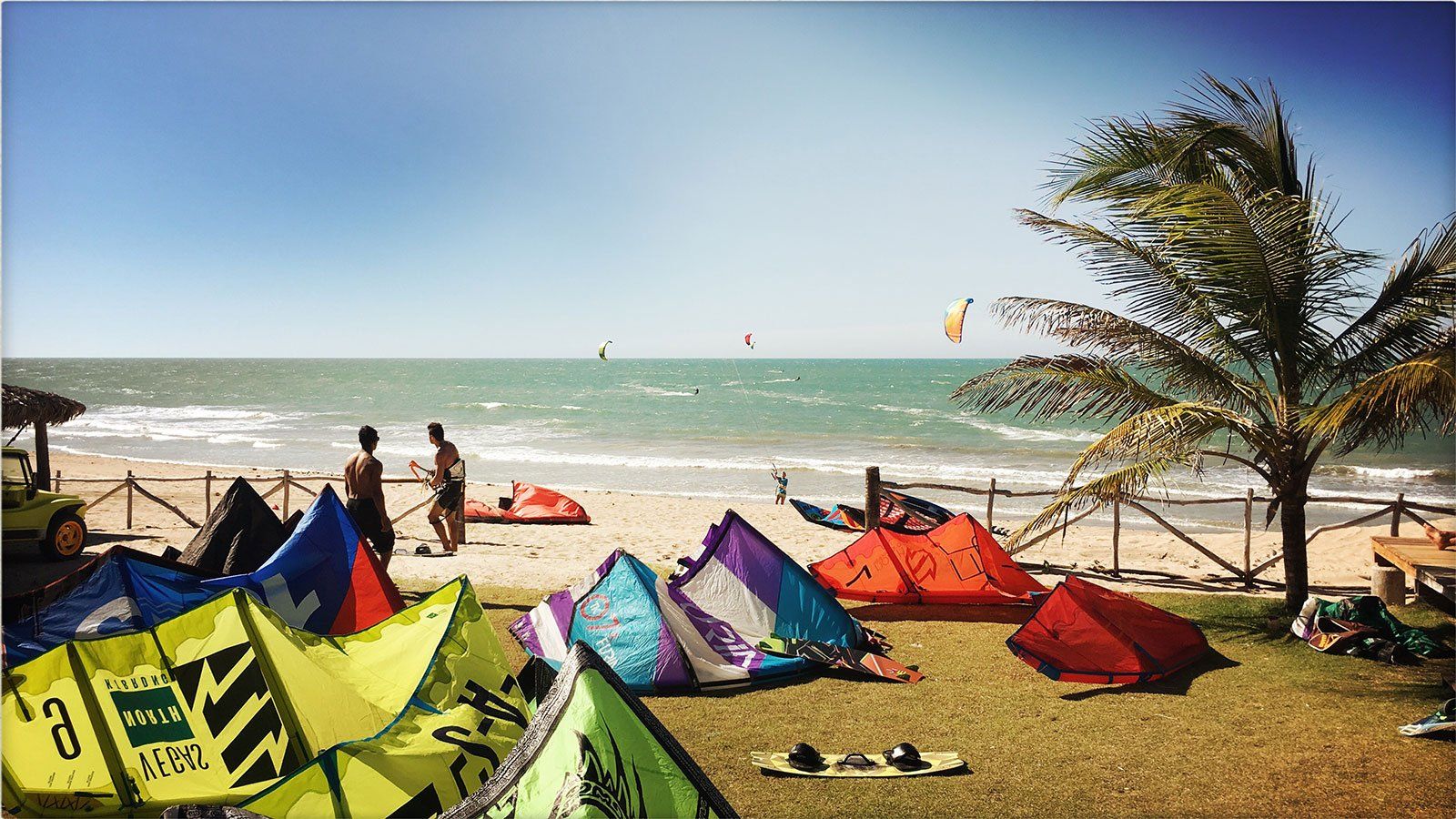
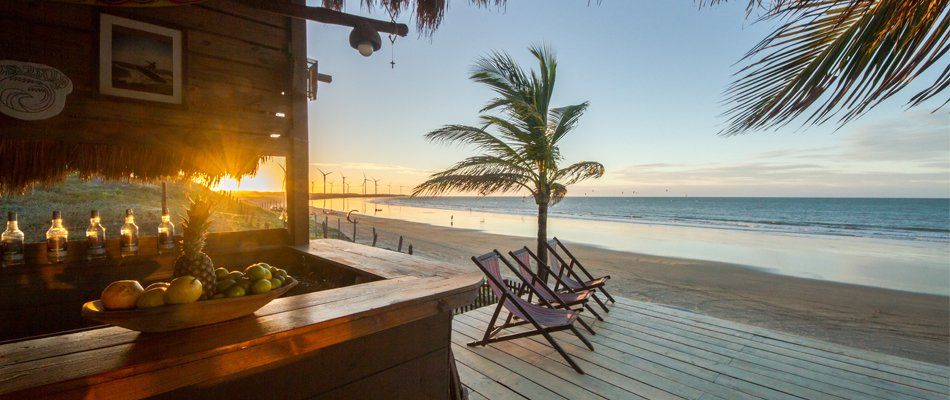
When the wind is right, Icaraizinho wakes up differently. The cafes open earlier, the kite schools get busy, and the beach is filled with pilots of all nationalities. At dusk, when the sessions end, the village offers the best in simplicity: sunsets on the sand, meals by the sea, conversations that mix Portuguese, English, French, and German.
Beach clubs serve as meeting points. Restaurants offer everything from fresh seafood to vegan options. And the relaxed pace—which contrasts with the intensity of the sessions—is part of what makes so many people choose to extend their stay.
An international destination without losing its essence.
Icaraizinho now has a well-established international community. Europeans, North Americans, South Americans, and Australians share the same spot, organize downwind trips together, and build entire seasons here.
But internationalization hasn't erased what makes the village unique: the cultural mix happens organically, without forcing anything. The fisherman still goes out in his raft at dawn, the local market still operates in the center of the village, and life goes on with an authenticity that other destinations have lost as they've grown.
Far beyond sports
A kitesurfing trip in Icaraizinho is also a journey of discovery of Ceará. The region offers:
- Gastronomy: seafood, lobster, mullet, and typical dishes from Ceará in local restaurants.
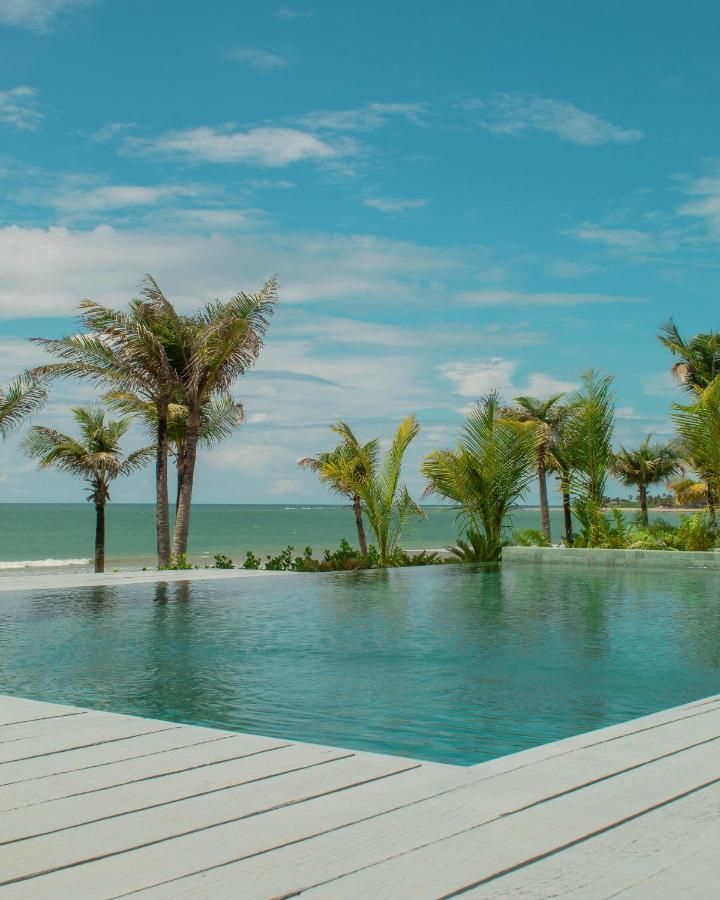
- Accommodation: guesthouses with ocean views, resorts geared towards riders, and simple yet charming lodging options.
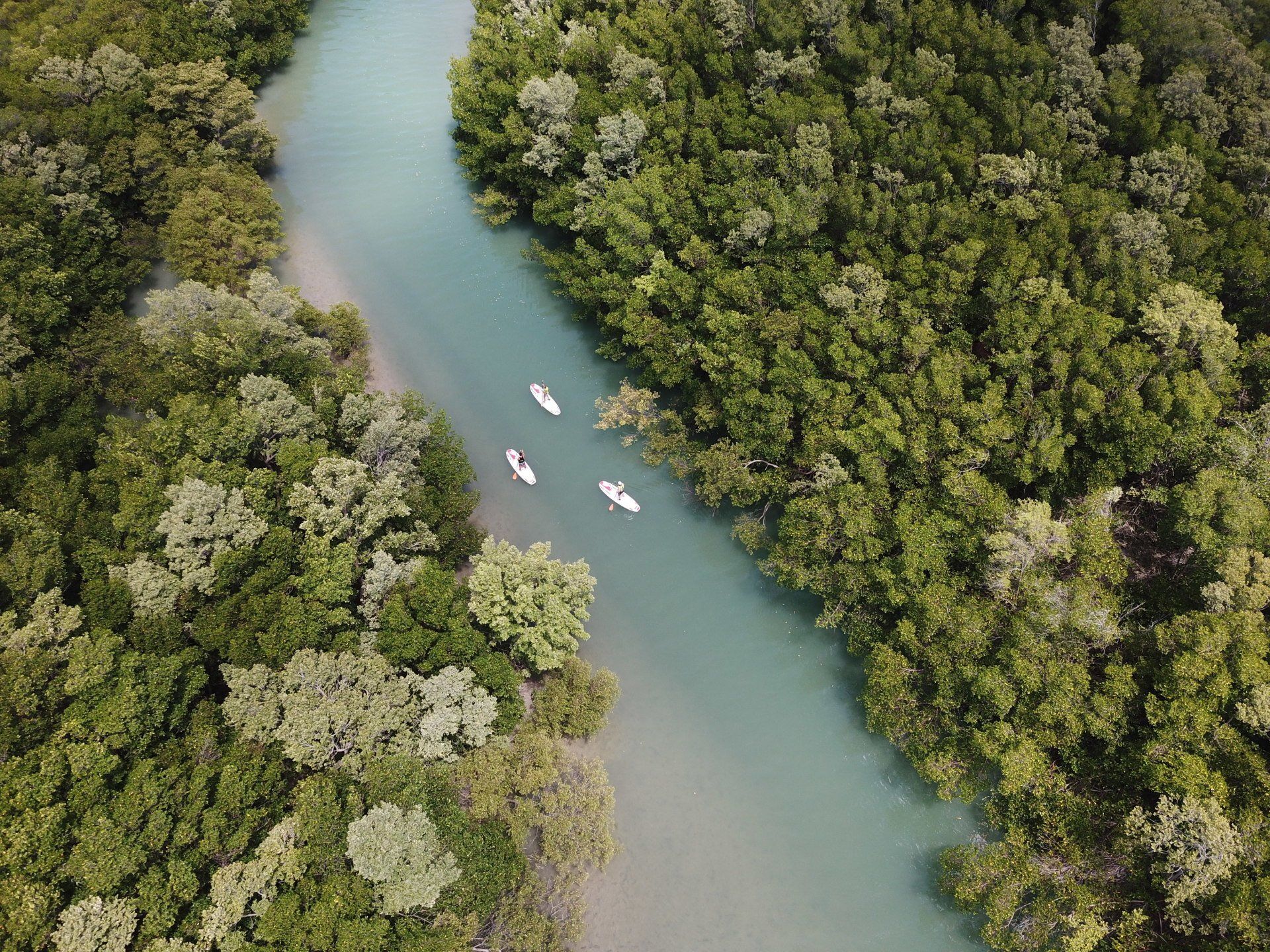
- Nature: dunes, lagoons, rivers, mangroves, and deserted beaches that can be explored on foot, by buggy, or by kite.
- Well-being: the rhythm of the village, the constant sunshine, and the quality of the wind have a restorative effect that is much talked about but rarely explained.
- Excursions: In addition to downwind tours, the region offers buggy rides through the dunes, visits to lagoons, and horseback riding along the coast.
Kitesurfing for Beginners in Icaraizinho
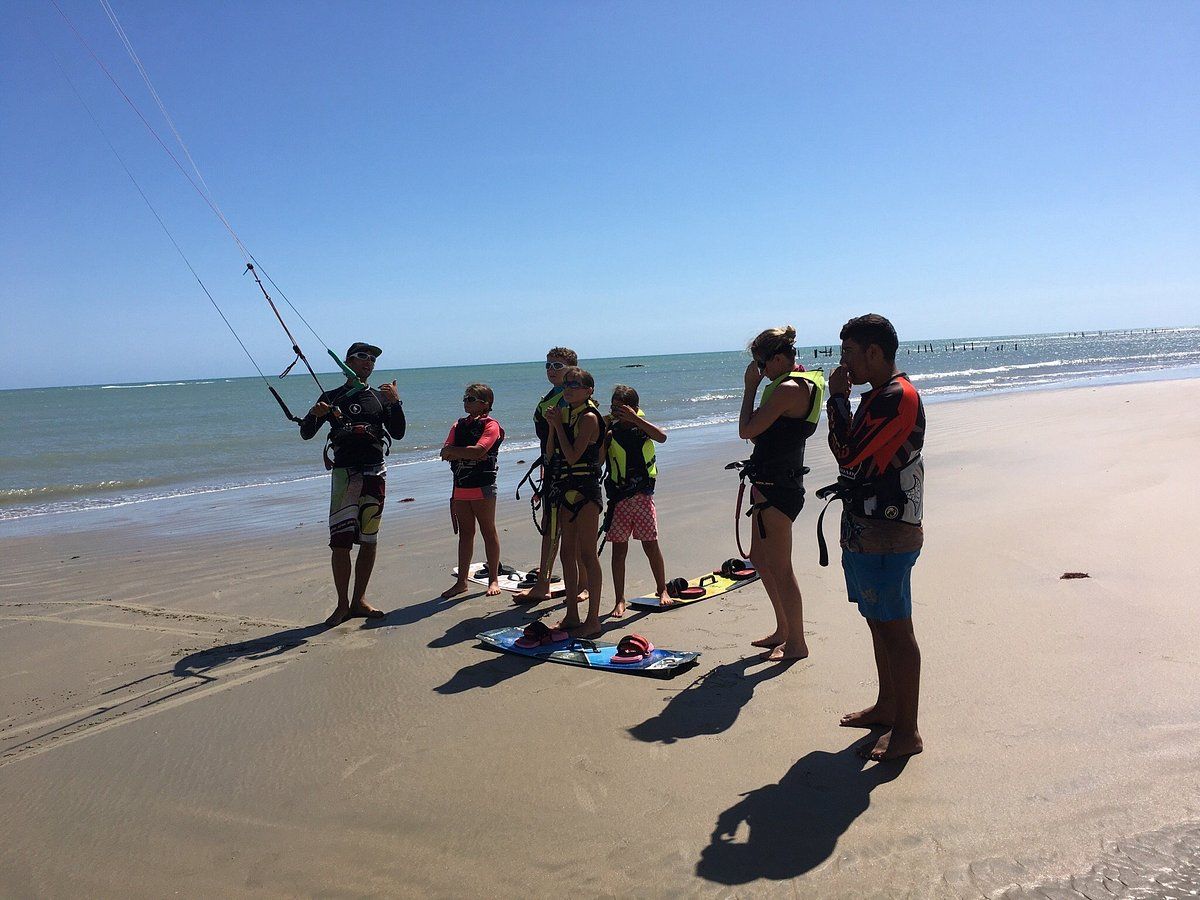
Icaraizinho is recognized as a complete destination for experienced kitesurfers — but it's also an excellent place to start kitesurfing. The conditions during the early season, the presence of local schools with certified instructors, and the favorable beach topography create a safe environment for those taking their first steps.
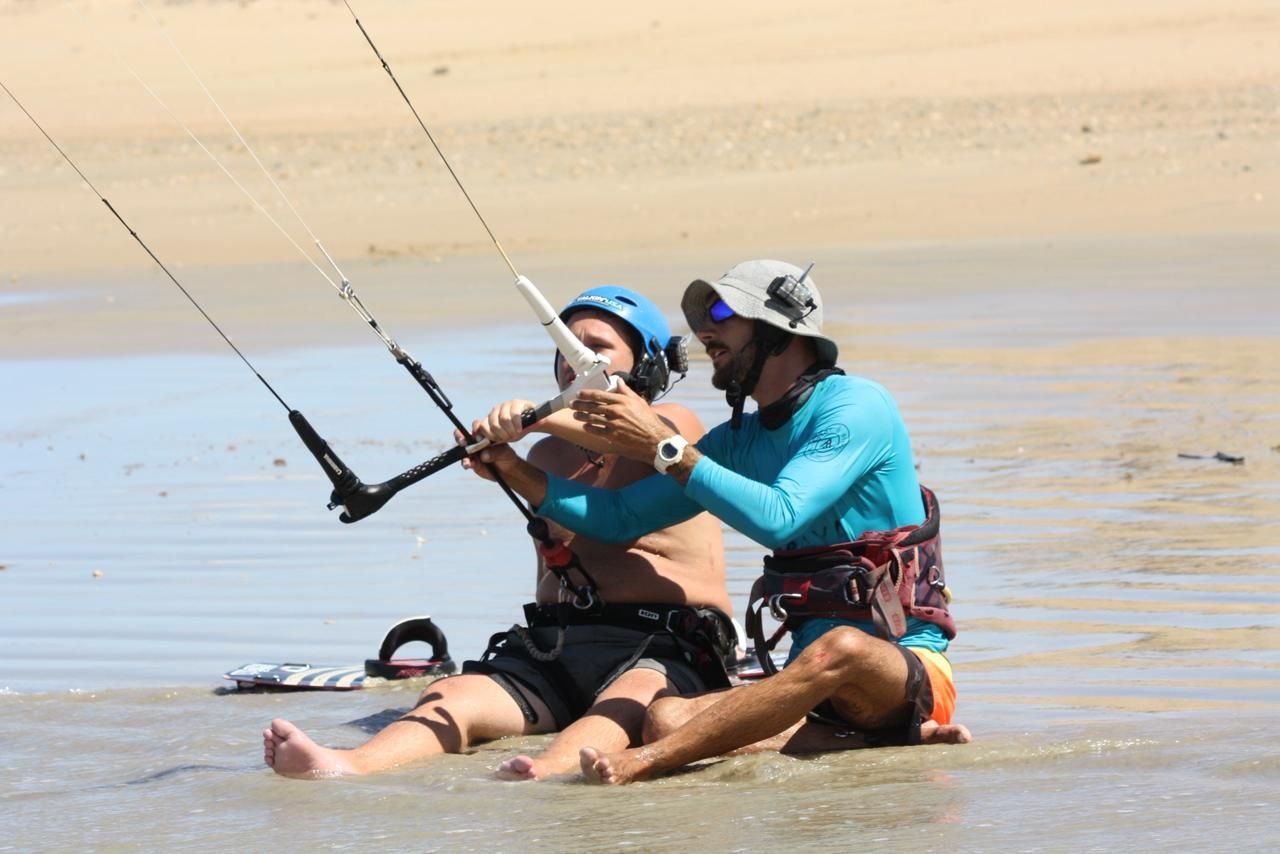
The first kitesurfing lessons in Icaraizinho follow the IKO (International Kiteboarding Organization) standard: kite control on the sand, water entry, body drag, and gradually, the first lifts on the board. The process respects each student's pace, and the instructors know every detail of the local spots—allowing them to always choose the best time and place for each level.
Beginners who start in July or August, taking advantage of the more moderate winds, have a more comfortable learning curve and progress with more confidence. With dedication and favorable conditions, many students are sailing independently in less than a week.
Safety is the top priority: the training area is separate from the rest of the spot, and boat or jet ski support is always available during lessons.
Kitesurfing Clubs and Schools in Icaraizinho de Amontada




Wind speed graph by month